This is today’s edition of The Download, our weekday newsletter that provides a daily dose of what’s going on in the world of technology.
Heat waves mess with your brain. Scientists are trying to figure out why.
—Jessica Hamzelou
It’s been hot in London this week. Really hot. A dangerous heat wave has hit Western Europe. On Wednesday, the UK recorded its highest ever June temperature at 36.1 °C (about 97 °F). But as the weather app on my phone confirmed, it felt like 39 °C.
Much of Western Europe is suffering, bringing awful consequences for agriculture, infrastructure, and the health system. But heat can also affect the brain.
Studies have confirmed that as temperatures rise, people seem to get more irritable and more violent. And they have shown that firefighters find it harder to focus immediately after heat exposure. Rising temperatures can also have particularly disastrous outcomes for children and people with mental health disorders.
Research on lab animals suggests that excessive heat can alter the function of chemical signals in our brains. But we still need a better understanding of the mechanisms behind these effects.
Here’s what scientists are learning about extreme heat’s impact on the brain.
This story is from The Checkup, our weekly biotech newsletter. Sign up to receive it in your inbox every Thursday.
For more on Europe’s heat wave, read our stories on why soaring temperatures are shutting down power plants and what they mean for the grid.
The must-reads
I’ve combed the internet to find you today’s most fun/important/scary/fascinating stories about technology.
1 The Trump administration has asked OpenAI to limit its next model release
It wants to vet the first GPT 5.6 users before a wider launch. (Bloomberg $)
+ OpenAI said each of the initial partners will be government-approved. (FT $)
+ It’s the first US firm to be told to restrict an AI model before release. (Axios)
+ Anthropic is also still feuding with Washington. (MIT Technology Review)
2 Apple and Xbox have hiked prices, blaming AI-driven chip costs
Some MacBooks, iPads, and Xboxes are going up in price by over 20%. (BBC)
+ Apple’s shares plummeted after the announcement. (NBC)
+ AI data center demand has pushed up memory and storage prices. (WSJ $)
+ The shortages have been dubbed “RAMaggedon.” (The Verge)
3 Colossal and the US are building an endangered species “biovault”
It aims to cryptopreserve over 2,300 plant and animal samples. (Wired $)
+ It comes amid growing threats to endangered species protections. (NYT $)
+ Colossal is also growing chickens in artificial eggshells. (MIT Technology Review)
4 The US has banned Polestar from selling its EVs due to anti-China rules
The Sweden-based company is majority-owned by China’s Geely. (CNN)
+ The ban is because its connected-vehicle tech is linked to China. (Reuters $)
+ What happened to China’s overseas EV factory boom? (Rest of World)
5 China is betting on humanoids to beat its demographic decline
It wants the robots to narrow the labour gap. (FT $)
+ Gig workers are training humanoids at home. (MIT Technology Review)
6 The “fingerprints” of a black hole’s event horizon have been detected
The discovery was made by studying ripples in space-time. (AFP)
7 OpenAI is now expected to delay its IPO until next year
It’s been spooked by choppy global markets and SpaceX’s slump. (NYT $)
8 Data centers have moved to the forefront of environmental lawsuits
The litigation is linked to energy sources, water consumption, and air pollution. (Guardian)
9 A master gene that turns on human development has been uncovered
It results in cells forming a human body. (New Scientist $)
10 Grok’s most popular feature? Smut
It accounts for “well over half” of the chatbot’s traffic. (The Information $)
Quote of the day
“The most advanced AI is built by a handful of American companies, on American soil, under American law, and what the rest of us are permitted to do with it can change on a Friday afternoon.”
—Nathan Benaich, AI investor at London-based venture firm Air Street Capital, tells the Financial Times about the geopolitical reality of US AI dominance.
One More Thing
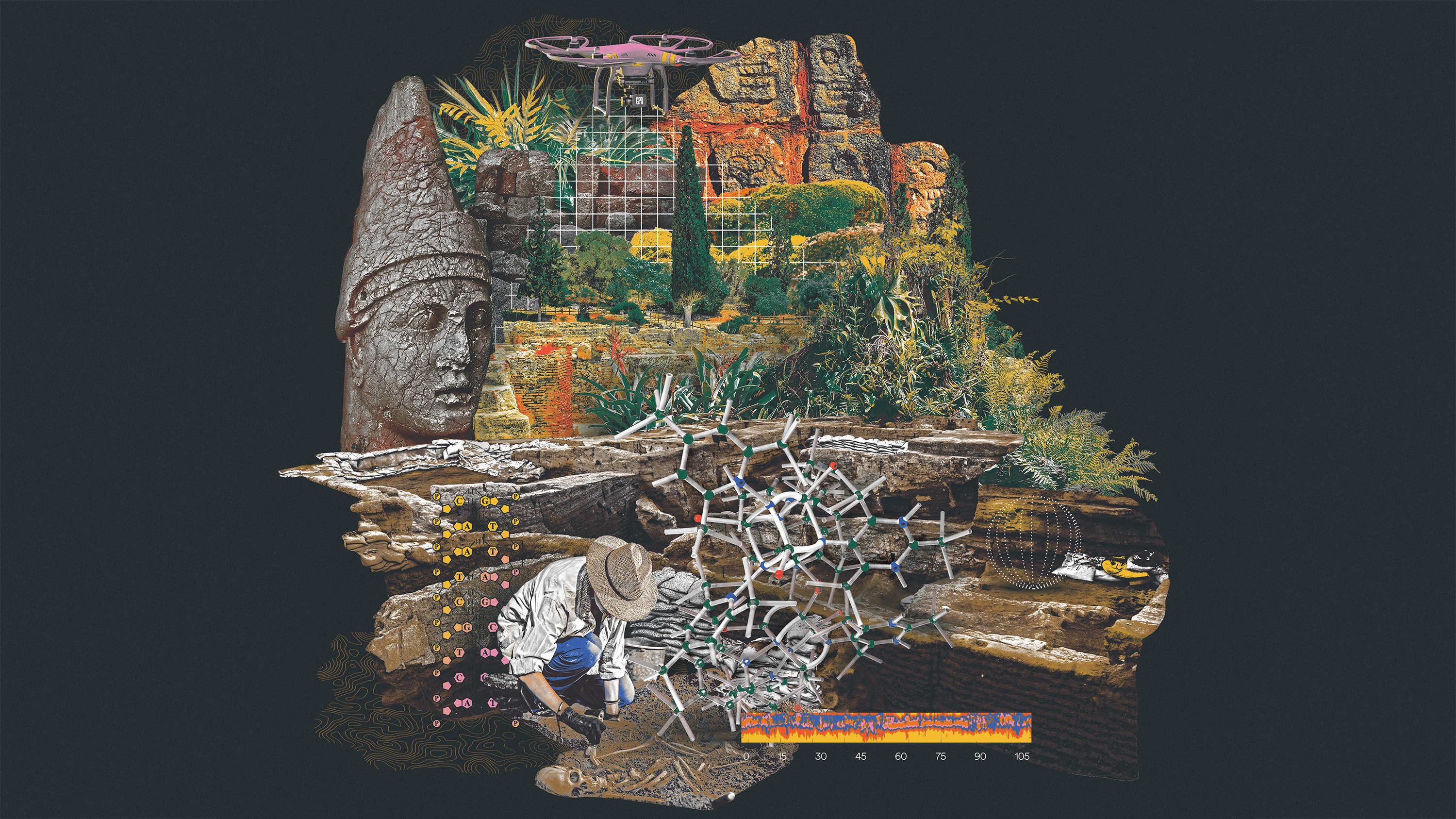
How technology helped archaeologists dig deeper
In 1991, construction workers in Manhattan unearthed hundreds of coffins. Further investigation revealed that the remains were between 200 and 300 years old, and they were all African and African American.
This discovery came at an inflection point in scientific history. Breakthroughs in chemical and genetic analysis allowed researchers to figure out where many of these people were born, the physical challenges they faced, and even the routes they took from Africa to North America.
Today, archaeologists are using techniques they could only dream of then: lasers, 3D photography, lidar, satellite imagery, and more. These tools are revealing where people came from, how ancient cities were built, and the lives of those who built them.
Read the full story on how archaeology is changing our understanding of the past.
—Annalee Newitz
We can still have nice things
A place for comfort, fun, and distraction to brighten up your day. (Got any ideas? Drop me a line.)
+ Tantalise your taste buds with this culinary tour of the planet’s rarest fruits.
+ This Daft Punk and Justice mashup is the French EDM collab that fans never got.
+ Daredevils have delightfully transformed playground equipment into a series of terrifying oversized rides.
+ The gadget department of your childhood dreams comes to life in this rocket-powered pen disguised as a spy weapon.
Top image credit: Sarah Rogers/MITTR | Photos Getty
Please send your childhood dreams to hi@technologyreview.com.
You can follow me on LinkedIn. Thanks for reading!
—Thomas
About The Author

